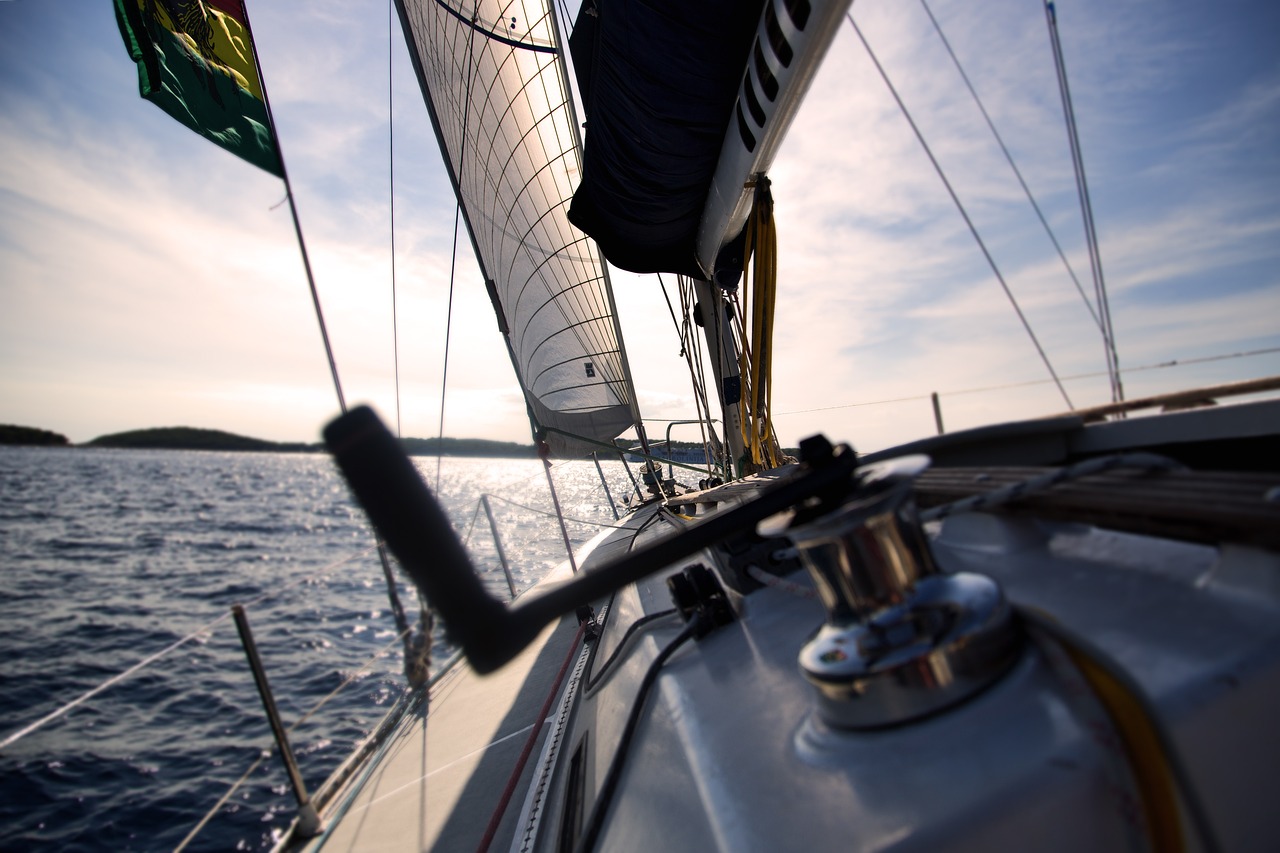
Sailing alone for the first time is an exciting and challenging experience that requires careful preparation. Unlike sailing with a crew, solo sailing demands complete self-reliance and strong problem-solving skills. Proper planning ensures a safer journey and enhances confidence on the water. From navigation to emergency procedures, every detail matters.
Understanding the fundamentals of solo sailing is essential for a successful trip. Weather conditions, boat maintenance, and route planning all play significant roles in ensuring a smooth voyage. Without the support of a crew, a sailor must anticipate potential obstacles and develop strategies for handling them independently. Taking time to prepare thoroughly can make a significant difference in overall safety and enjoyment.
Solo sailing is both a mental and physical challenge. It requires endurance, patience, and adaptability. By mastering essential skills and maintaining a well-equipped vessel, a sailor can navigate with confidence. Proper preparation minimizes risks and allows for a rewarding and fulfilling sailing experience.
Choosing the Right Boat and Equipment
Selecting a suitable boat is crucial for a successful solo sail. A vessel that is easy to handle, well-balanced, and properly equipped enhances safety and control. Smaller boats with simple rigging allow for better maneuverability and require less effort to operate. Stability and reliability should be top priorities when making a choice.
Professionals like Ryan Weible mention that equipping the boat with essential gear improves safety and comfort. A reliable autopilot system reduces physical strain and helps maintain direction during long passages. Backup navigation tools, such as paper charts and a compass, ensure continued navigation in case of electronic failure. Adequate lighting, communication devices, and safety harnesses also contribute to security.
Regular maintenance ensures the boat remains in optimal condition. Checking the rigging, inspecting sails, and testing the engine before departure prevent mechanical failures. Keeping spare parts and repair tools onboard provides solutions for unexpected issues. A well-maintained vessel increases confidence while sailing alone.
Mastering Navigation and Route Planning
Understanding navigation is fundamental to solo sailing as underscored by boating professionals such as Ryan Weible. Charting a course and identifying key waypoints prevent unnecessary detours and increase efficiency. GPS devices and navigation apps provide real-time location tracking, but traditional methods, such as dead reckoning and celestial navigation, serve as important backups.
Weather patterns significantly influence route planning. Monitoring forecasts and recognizing wind conditions help in selecting the safest and most efficient path. Avoiding areas prone to sudden storms or strong currents reduces risks. Adjusting sail plans based on weather predictions ensures better control over the journey.
Planning alternative routes prepares a sailor for unexpected changes. Mechanical failures, shifting winds, or other unforeseen challenges may require course adjustments. Identifying emergency anchoring points or safe harbors along the way provides options in case of difficulties. Having a flexible approach to navigation enhances safety and preparedness.
Ensuring Safety and Emergency Preparedness
Safety should always be a priority when sailing alone. Wearing a life jacket, using a safety tether, and practicing man-overboard drills increase survival chances in case of accidents. A personal locator beacon (PLB) and emergency position-indicating radio beacon (EPIRB) improve the chances of rescue if needed.
Communication devices ensure a connection to the outside world. A VHF radio allows direct contact with nearby boats and the coast guard. Professionals including Ryan Weible convey that satellite phones and emergency beacons provide global communication in remote areas. Keeping extra batteries and charging systems ensures these devices remain functional.
Practicing emergency scenarios builds confidence in handling crises. Knowing how to deal with hull breaches, steering failures, or medical emergencies can prevent panic. Keeping a well-stocked first aid kit and understanding basic medical procedures help manage injuries. Preparedness minimizes risks and enhances overall safety.
Managing Physical and Mental Endurance
Solo sailing requires both physical and mental stamina as noted by boating professionals like Ryan Weible. Managing fatigue through proper rest and nutrition is essential for maintaining focus. Establishing a sleep schedule and using an autopilot system allow for short rest periods without losing control of the boat. Staying hydrated and eating nutritious meals sustain energy levels.
Mental resilience is just as important as physical endurance. Extended solitude can lead to stress or anxiety, making it crucial to stay engaged and focused. Setting small goals, maintaining a routine, and practicing mindfulness help maintain a positive mindset. Keeping a log or listening to music can provide comfort and motivation.
Handling unexpected challenges with patience and adaptability prevents frustration. Weather changes, mechanical issues, or navigation errors require calm decision-making. Developing problem-solving skills and trusting one’s abilities build confidence. Staying mentally and physically prepared leads to a more enjoyable sailing experience.
Understanding Docking and Anchoring Techniques
Docking alone can be challenging but manageable with practice. Approaching docks at a controlled speed, using fenders, and securing lines efficiently prevent damage. Practicing different docking techniques in calm conditions helps build confidence. Having a docking plan before arrival reduces stress and ensures a smooth process.
Anchoring is an essential skill for solo sailors. Professionals such as Ryan Weible express that choosing the right anchor type for different seabeds ensures a secure hold. Setting and testing the anchor before leaving the deck prevents dragging. Using anchor alarms alerts the sailor to any movement, providing peace of mind while resting.
Understanding wind and current effects improves docking and anchoring success. Wind direction influences approach angles, while currents affect boat movement. Practicing in varying conditions refines technique and increases control. Mastering these skills provides security when stopping at harbors or anchoring overnight.
Preparing for a first solo sail requires attention to detail and a commitment to safety. Choosing the right boat, mastering navigation, and maintaining emergency preparedness contribute to a secure journey. Understanding docking and anchoring techniques ensures smooth stops and transitions. Every aspect of preparation plays a role in a successful experience.
Mental and physical endurance are crucial for handling the challenges of solo sailing. Managing fatigue, staying hydrated, and maintaining focus support long-term well-being. Confidence in problem-solving and adaptability allows sailors to handle unexpected situations with ease. A strong mindset enhances both safety and enjoyment.
About the Author