Maximizing Efficiency Through Effective Industrial Compressor Repair Strategies
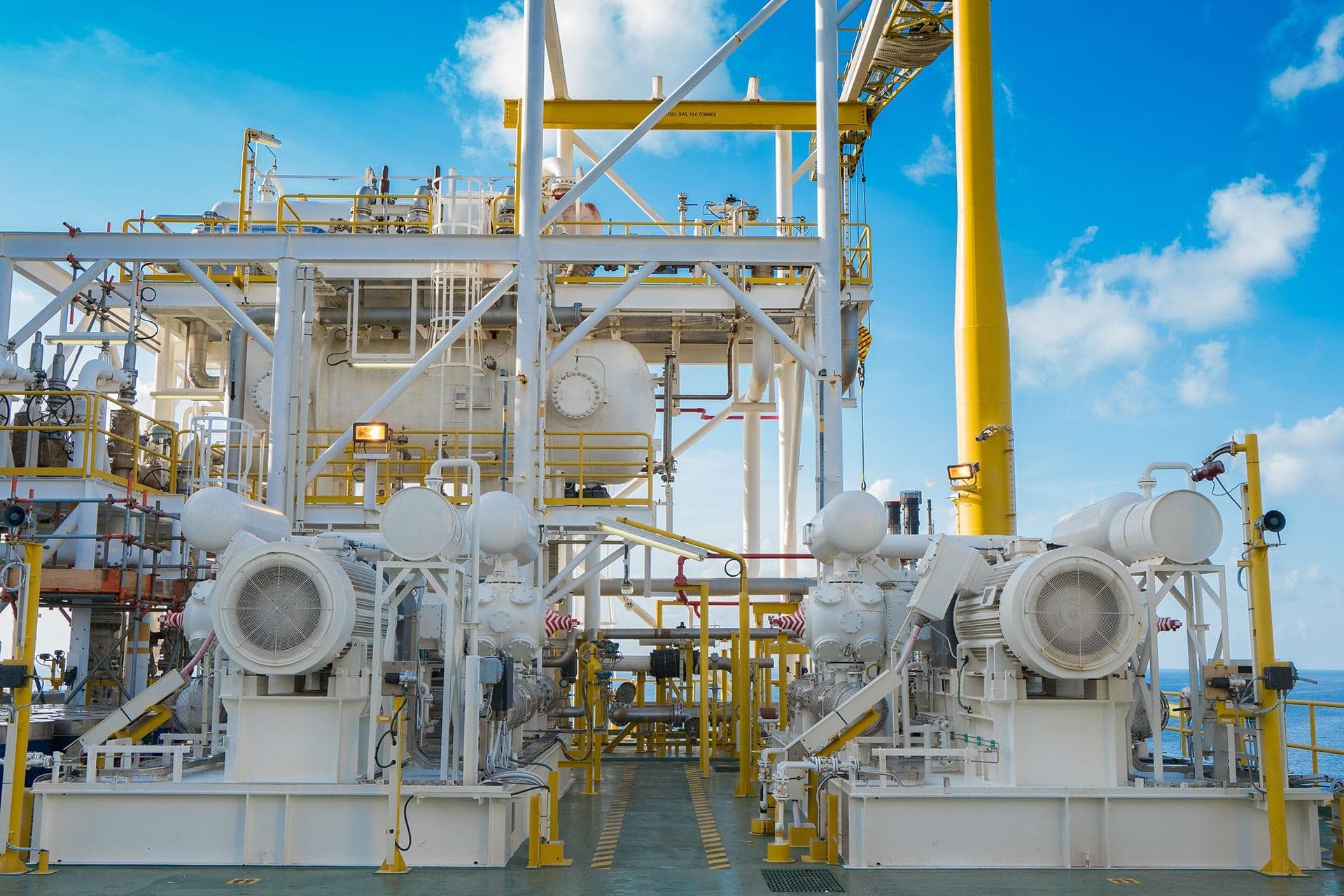
Industrial compressors are essential for various industries, powering operations and ensuring the smooth running of machinery. When compressors break down or underperform, it can lead to costly downtime and a drop in productivity. However, by implementing proven repair strategies, companies can enhance compressor performance, reduce costs, and extend the life of their equipment. Here’s how effective industrial compressor repair strategies can maximize efficiency in your operations.
1. Proactive Maintenance and Regular Inspections
One of the best ways to prevent costly repairs and maintain compressor efficiency is through proactive maintenance. Regular inspections and servicing allow technicians to identify early signs of wear and tear, preventing breakdowns before they occur. Routine checks, such as cleaning filters, checking for leaks, and testing performance, ensure the compressor is running at its optimal capacity. By staying on top of maintenance, you can avoid larger issues and extend the life of your equipment.
2. Timely and Professional Repairs
When a compressor malfunctions, timely and professional repairs are crucial to minimizing downtime and restoring efficiency. Working with experienced technicians ensures that repairs are carried out correctly the first time, preventing recurring problems. Whether it’s replacing faulty parts, fixing leaks, or recalibrating the system, timely repairs can restore compressor performance and avoid extended interruptions to production.
3. Upgrades and Modernization
Older compressors may struggle to meet modern demands, leading to inefficiencies and higher operational costs. Upgrading or modernizing equipment with the latest technologies can significantly improve performance and efficiency. Newer compressors often come with energy-saving features, better reliability, and improved control systems. Integrating advanced diagnostic tools and energy-saving technologies can also reduce energy consumption and lower maintenance costs, maximizing the long-term efficiency of your industrial equipment.
4. Preventing Compressor Overload
Overloading a compressor is a common cause of premature failure. Implementing effective repair strategies involves educating operators about the risks of overloading and ensuring that compressors are not pushed beyond their limits. Preventative measures, such as ensuring compressors are properly sized for the specific application and using pressure relief systems, help maintain optimal performance and avoid damage. By preventing overloads, you can improve compressor lifespan and reduce the frequency of repairs.
5. Optimizing Compressor Settings and Calibration
Improperly calibrated compressors can lead to inefficiencies and higher energy consumption. Regular calibration of the compressor’s pressure settings, airflow, and temperature control ensures that it is running at peak performance. Fine-tuning these settings not only optimizes efficiency but also prevents unnecessary wear and tear on the equipment. A well-calibrated system minimizes energy wastage and enhances the compressor’s overall lifespan, contributing to lower operating costs.
6. Replacing Worn Parts and Components
Industrial compressors rely on various components, such as belts, seals, valves, and bearings, that can wear out over time. Replacing these worn parts promptly can prevent more significant problems that may require expensive repairs or replacement of the entire unit. By using high-quality, OEM (Original Equipment Manufacturer) parts, you ensure that your compressor is restored to its original condition, improving performance and reducing the likelihood of future breakdowns.
7. Energy Efficiency and Cost Savings
Inefficient compressors consume more energy, leading to increased operational costs. An essential part of compressor repair strategies is optimizing energy efficiency. Regular maintenance and repairs can address issues that lead to excessive energy use, such as leaks, incorrect pressure levels, or misalignment. By repairing or replacing inefficient components, you can reduce energy consumption, lower utility costs, and enhance the overall efficiency of your operations.
8. Implementing a Comprehensive Monitoring System
A key strategy for maximizing efficiency is the use of advanced monitoring systems that track compressor performance in real time. These systems can detect any irregularities in pressure, temperature, or vibration, allowing for quick intervention before a failure occurs. Predictive maintenance, powered by data-driven insights, helps anticipate problems and schedule repairs at the most convenient times, avoiding unexpected shutdowns and optimizing compressor operation.
Conclusion
Maximizing the efficiency of industrial compressors requires a combination of proactive maintenance, timely repairs, and modernization efforts. By implementing proven compressor repair strategies—such as regular inspections, timely repairs, and energy efficiency upgrades—you can prevent breakdowns, reduce operational costs, and extend the lifespan of your equipment. These strategies not only improve compressor performance but also contribute to a more efficient and cost-effective operation. With the right approach to compressor maintenance and repair, your business can achieve greater productivity and profitability.
Share this post: on Twitter on Facebook