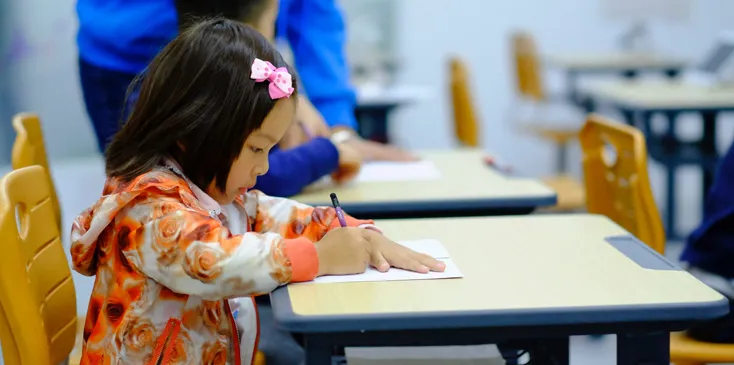
The early years of a child’s life are a critical time for growth, development, and learning. Early education schools—also known as preschools, nurseries, or early childhood centers—play a vital role in laying the foundation for future academic success and social-emotional well-being. But what exactly does the curriculum in these schools look like?
A Balanced Approach to Learning
The curriculum in early education is designed to support holistic development, focusing on the physical, cognitive, emotional, and social needs of young children. The goal is not just to prepare kids for kindergarten, but to nurture curiosity, creativity, and confidence.
1. Language and Literacy
Children are introduced to basic language skills through:
Storytelling and read-alouds
Letter recognition and phonics
Vocabulary building
Early writing and pre-reading exercises
2. Math and Logical Thinking
Early math concepts are taught through play and hands-on activities like:
Counting and number recognition
Sorting, matching, and patterns
Simple measurements and shapes
Problem-solving games
3. Science and Discovery
Children explore the world around them through:
Nature walks and sensory activities
Weather observation
Life cycles of plants and animals
Basic experiments and exploration centers
4. Creative Arts
Art and music play a crucial role in development:
Drawing, painting, and sculpting
Singing and rhythm activities
Dance and creative movement
Dramatic play and storytelling
5. Social and Emotional Learning (SEL)
Early education also teaches children how to:
Express feelings and understand emotions
Share and cooperate with peers
Develop empathy and respect for others
Follow routines and classroom rules
6. Physical Development
Both fine and gross motor skills are strengthened through:
Outdoor play and games
Puzzles and building blocks
Climbing, jumping, and balancing
Hand-eye coordination exercises
A Child-Centered Environment
Most early education schools follow play-based or inquiry-based models, recognizing that young children learn best through hands-on, meaningful experiences. Classrooms are often organized into learning centers that allow for both independent exploration and group interaction.
Final Thoughts
The curriculum of early education schools is much more than ABCs and 123s. It’s about nurturing a lifelong love of learning, encouraging social skills, and building a strong foundation for future academic and personal success. By supporting children in all areas of development, early education programs give every child the best possible start in life.
About the Author