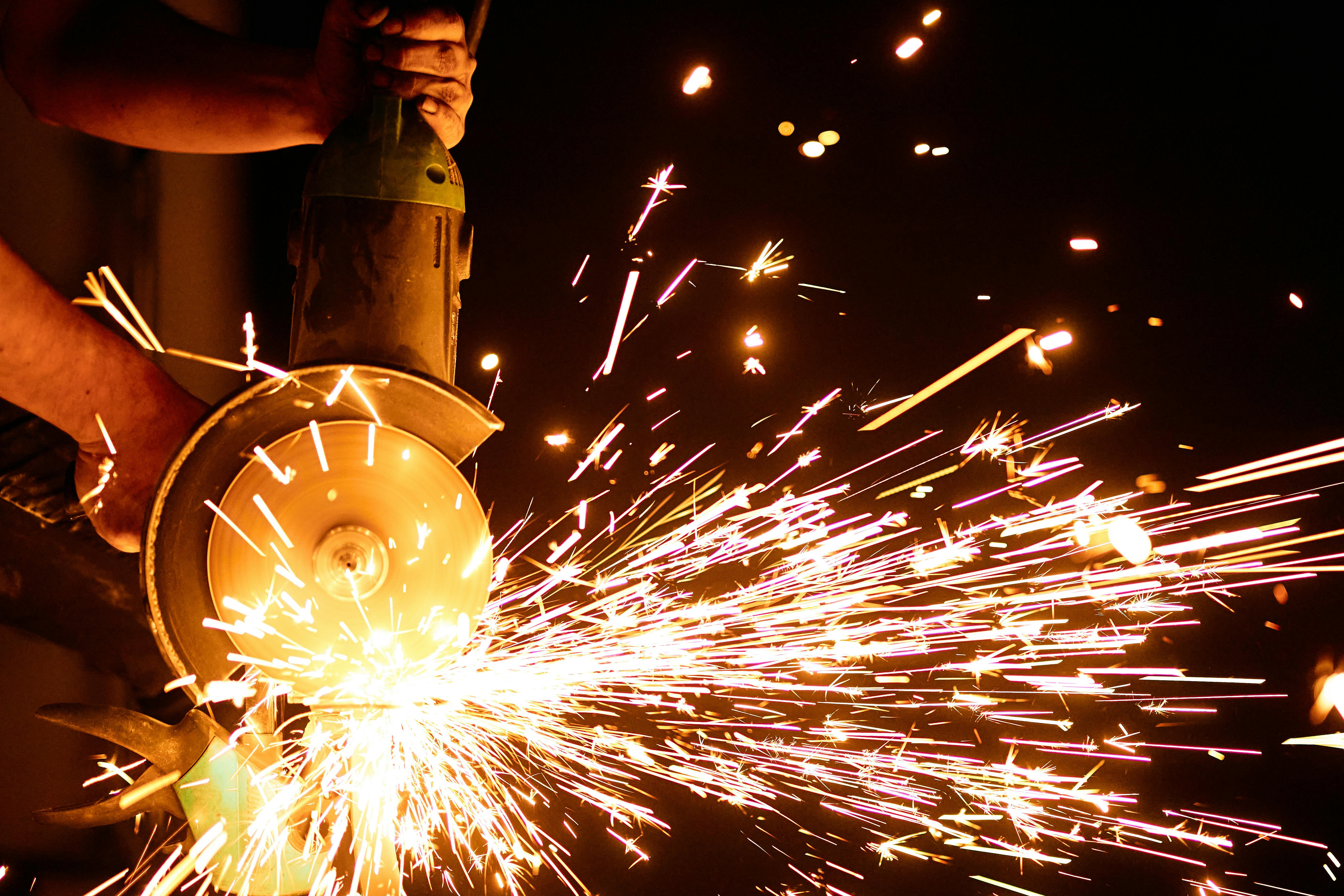
Metal grinding is a crucial process in many industries, enabling precise shaping and finishing of metal surfaces. At the heart of this process are grinding wheels, essential tools that provide the cutting action required for metalworking tasks. Understanding the different types of grinding wheels and their applications can significantly enhance the efficiency and quality of the work performed. This guide delves into the essential types of grinding wheels and their specific uses, offering insights into how to choose the right tool for the job.
Types of Grinding Wheels
1. Straight Wheel
The straight wheel is the most common style of grinding wheel, often used in bench or pedestal grinders. Its simple design makes it versatile across various applications:
- Applications: Best suited for surface and cylindrical grinding.
- Material Suitability: Ideal for sharpening tools and metal shaping.
- Discover expert strategies here: Learn more about straight wheels.
2. Cylinder Wheel
Cylinder wheels are larger in size and typically used for horizontal or vertical spindle grinders. These wheels are effective for wide surface areas:
- Applications: Used primarily in surface grinding operations.
- Material Suitability: Suitable for large workpieces requiring wide-area grinding.
- Learn about our tailored solutions: Explore cylinder wheel uses.
3. Tapered Wheel
Tapered wheels have a conical shape, which allows for precision in grinding intricate parts and angles:
- Applications: Often used for gear teeth grinding and precision machining.
- Material Suitability: Excellent for grinding hard-to-reach areas.
- Explore advanced guides and tips: Uncover tapered wheel advantages.
4. Diamond Wheel
Diamond wheels are used for cutting and grinding extremely hard materials, such as carbide and ceramics. They are highly effective due to their abrasive properties:
- Applications: Ideal for precision cutting and grinding of hard materials.
- Material Suitability: Best choice for non-ferrous metals, ceramics, and glass.
- Find out more about this approach: Understand diamond wheel applications.
Choosing the Right Grinding Wheel
Selecting the appropriate grinding wheel involves considering several factors, such as the material being worked on, the desired finish, and the machine compatibility. Here are key considerations:
- Material Composition: Different abrasives are designed for specific materials. Aluminum oxide, silicon carbide, ceramic, and diamond are common types.
- Wheel Grade: The hardness of the wheel affects its cutting efficiency and the finish of the workpiece.
- Wheel Size and Shape: Ensure compatibility with the grinding machine and the task requirements.
- Speed Rating: Adhere to the recommended speed limits to ensure safety and performance.
- Learn about our tailored solutions: Gain more insights into selection.
Maintenance and Safety Tips
Proper maintenance and adherence to safety protocols are vital to prolonging the life of grinding wheels and ensuring user safety:
- Regular Inspection: Check for signs of wear, cracks, or damage before use.
- Proper Storage: Store wheels in a dry and organized space to prevent warping or contamination.
- Safe Handling: Use the correct mounting procedures and never exceed the wheel’s maximum speed rating.
- Protective Gear: Always wear appropriate safety equipment, such as goggles and gloves, during grinding operations.
- Explore advanced guides and tips: Find comprehensive safety guidelines.
About the Author