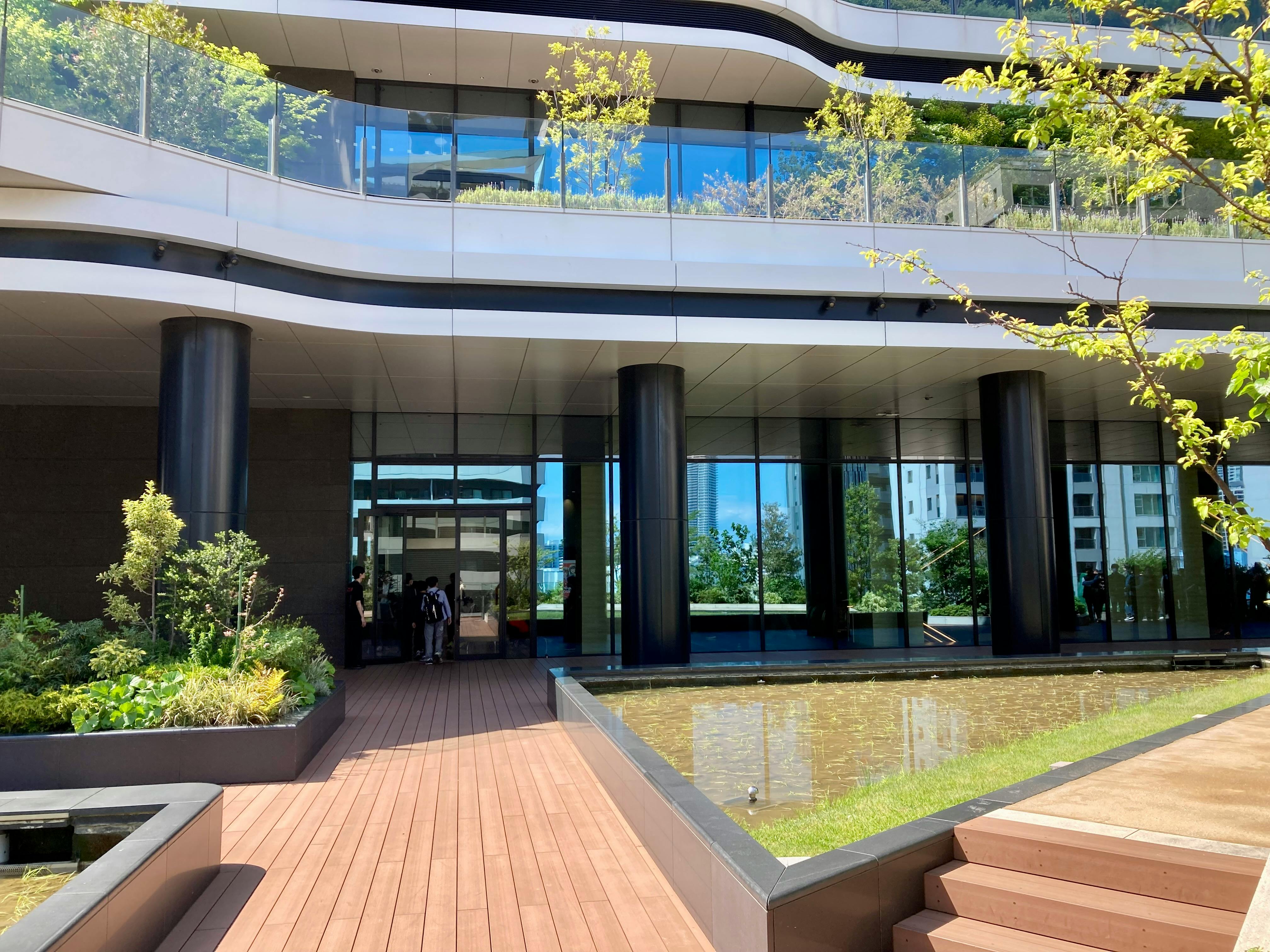
Sustainable building design is at the forefront of modern architectural practices, balancing environmental responsibility with human comfort. As the global focus shifts toward reducing carbon footprints and conserving energy, the construction and operation of energy-efficient buildings have become crucial. By integrating advanced technology and sustainable materials, buildings can not only minimize their environmental impact but also enhance the comfort and well-being of their occupants. This transition not only supports global sustainability goals but also offers significant economic benefits over time.
The Importance of Energy Efficiency in Buildings
Energy efficiency in buildings is pivotal in reducing overall energy consumption, which in turn lowers greenhouse gas emissions. Incorporating energy-efficient measures in building design and operation can lead to:
- Reduced energy bills due to lower demand for heating, cooling, and lighting.
- Decreased reliance on non-renewable energy sources.
- Enhanced building performance and longevity.
- Improved indoor environmental quality, promoting better health and productivity.
For a detailed understanding of how energy efficiency can be implemented in construction, Discover expert strategies here.
Key Features of Sustainable Building Design
Sustainable building design encompasses a variety of strategies and practices aimed at improving energy efficiency and occupant comfort. Some of the key features include:
1. Use of Sustainable Materials
Choosing materials with lower environmental impacts, such as recycled content or rapidly renewable resources, is essential. These materials should be locally sourced to minimize transportation emissions. Learn about our tailored solutions.
2. Advanced Insulation Techniques
Proper insulation helps maintain indoor temperatures, reducing the need for additional heating or cooling. Modern insulation materials and techniques can significantly improve a building’s energy efficiency.
3. Efficient HVAC Systems
Heating, ventilation, and air conditioning (HVAC) systems account for a significant portion of a building’s energy use. Upgrading to high-efficiency HVAC systems can drastically reduce energy consumption and improve indoor air quality.
4. Smart Building Technologies
The integration of smart technologies enables automated control of lighting, heating, and cooling systems, optimizing energy use based on occupancy and time of day. Find out more about this approach.
Enhancing Comfort through Sustainable Design
Beyond energy efficiency, sustainable buildings aim to enhance occupant comfort and well-being. This is achieved through:
- Optimized natural lighting, which reduces the need for artificial light and enhances mood and productivity.
- Thermal comfort, ensuring consistent and comfortable indoor temperatures.
- Improved acoustics to minimize noise pollution within the building.
- Superior air quality through the use of non-toxic building materials and advanced ventilation systems.
For more insights into enhancing building comfort through sustainable practices, Explore advanced guides and tips.
Conclusion
The move towards sustainable buildings is not merely a trend but a necessary evolution in the way structures are designed, built, and maintained. By prioritizing energy efficiency and occupant comfort, sustainable buildings contribute to environmental conservation and offer substantial long-term economic benefits. As the industry continues to advance, embracing these sustainable practices will become an integral part of building design and operation. For comprehensive resources and strategies on sustainable building practices, Explore advanced guides and tips.
About the Author