As businesses expand and evolve, maintaining a comfortable environment becomes crucial for both employee productivity and customer satisfaction. A well-functioning HVAC (Heating, Ventilation, and Air Conditioning) system is essential in achieving this goal. However, the complexity of commercial HVAC systems demands careful consideration to ensure optimal performance and energy efficiency. This article explores various commercial HVAC solutions, highlighting the importance of tailored approaches for different business needs.
Understanding Commercial HVAC Systems
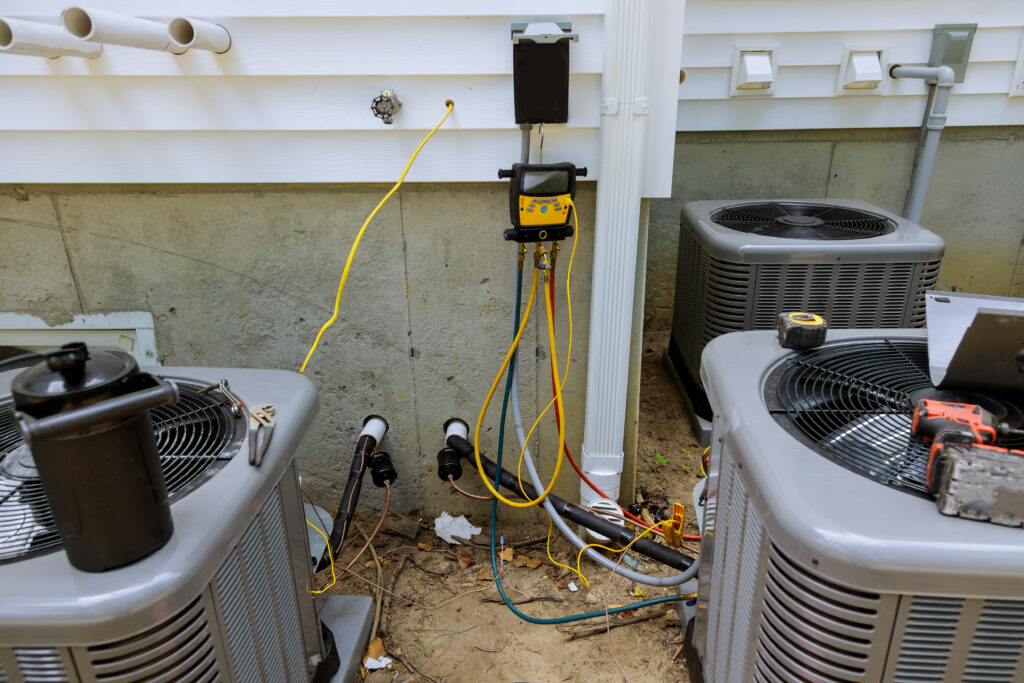
Commercial HVAC systems differ significantly from residential systems due to their scale and complexity. These systems are designed to handle larger spaces and more diverse environmental control requirements.
Key Components
- Heating Units: These are typically larger and more powerful than residential units, often using boilers or heat pumps.
- Ventilation Systems: Essential for maintaining indoor air quality by removing pollutants and regulating humidity levels.
- Air Conditioning Units: Designed to maintain a consistent temperature across extensive commercial spaces.
To dive deeper into the technical aspects of these components, explore further insights here.
Tailored HVAC Solutions for Different Business Types
Every business type has its own unique HVAC requirements. Tailored solutions can enhance efficiency and reduce operational costs.
Office Buildings
Office environments require systems that can efficiently manage temperature and air quality across multiple floors and rooms. Key considerations include:
- Energy-efficient systems to minimize utility costs.
- Advanced control systems for zoned temperature regulation.
For a comprehensive understanding of office HVAC needs, find additional information here.
Retail Spaces
Retail businesses need HVAC solutions that ensure customer comfort while managing energy consumption efficiently. Important factors include:
- Flexible systems that can adapt to varying occupancy levels.
- Integration with existing building management systems for seamless operation.
Read more about this topic to understand how HVAC solutions can enhance retail environments.
Energy Efficiency and Sustainability
Energy efficiency is a critical consideration for modern commercial HVAC systems. Implementing sustainable practices not only reduces costs but also aligns businesses with environmental regulations and consumer expectations.
Upgrading to Energy-Efficient Systems
- Incorporate high-efficiency units that lower energy consumption.
- Utilize programmable thermostats and smart controls for optimized operation.
Learn more in this detailed guide on how energy efficiency can be integrated into commercial HVAC solutions by visiting this page.
Maintenance and Monitoring
Regular maintenance and monitoring are essential for prolonging the lifespan of commercial HVAC systems and ensuring consistent performance.
Establishing a Maintenance Routine
- Schedule regular inspections and tune-ups to prevent breakdowns.
- Implement predictive maintenance strategies using IoT and data analytics.
For additional strategies on maintaining commercial HVAC systems, explore further insights here.
In conclusion, selecting the right commercial HVAC solution requires a comprehensive understanding of specific business needs, energy efficiency, and regular maintenance. By prioritizing these factors, businesses can ensure a comfortable and sustainable environment for all occupants.
About the Author