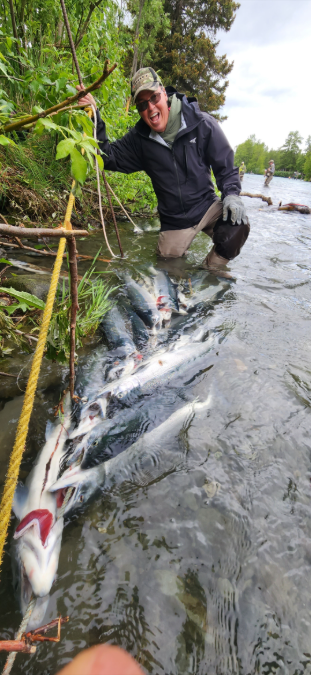
Ice fishing is an exciting winter activity that requires proper knowledge of ice thickness. Many beginners underestimate the risks of weak or unstable ice. Falling through ice can lead to severe injury or even fatal consequences. Understanding safe ice conditions is essential. A cautious approach ensures a safe and enjoyable experience.
Different factors influence ice thickness, making it unpredictable. Weather conditions, water movement, and snow cover all affect ice strength. Even if the surface appears solid, hidden weaknesses may exist. Testing ice before fishing is always necessary. Relying on visual cues alone can be dangerous.
Ice thickness determines the weight it can support. Thin ice cannot sustain heavy equipment or groups of people. Fishing buffs like Scott G. Shelley (Alaska) mention that clear, blue ice is the strongest, while white or gray ice is weaker. Ice near shorelines and moving water is often unstable. Recognizing these differences improves safety.
Using proper tools and following safety guidelines prevents accidents. Carrying ice fishing gear without testing ice first is risky. Essential equipment like augers, ice picks, and safety ropes can be lifesaving. Wearing the right clothing helps in emergencies. Preparedness leads to better decision-making on the ice.
Factors That Affect Ice Thickness
Weather plays a crucial role in ice formation. Cold temperatures allow ice to thicken, while warmer conditions weaken it. Rapid temperature changes can cause cracks or melting. Wind and snow also impact ice stability. Checking weather reports before heading out is essential.
Water movement affects ice thickness significantly. Lakes with strong currents freeze unevenly. Ice near river inlets or underwater springs is often thinner. Standing water areas are safer than moving water. Avoiding unknown ice conditions reduces risks.
Snow cover insulates ice, slowing the freezing process. Thick snow can prevent ice from strengthening properly. It also adds weight, increasing the risk of cracks. Removing snow from fishing spots can improve ice quality. Understanding this helps in choosing a safer location.
External stressors weaken ice over time. Foot traffic, vehicles, and drilled holes reduce structural integrity. Areas with heavy fishing activity may have hidden weak spots. Regularly checking ice thickness helps detect changes. Awareness of surroundings enhances overall safety as pointed out by fishing enthusiast such as Scott G. Shelley (Alaska).
Safe Ice Thickness Guidelines for Ice Fishing
Different ice thicknesses support different levels of weight. At least four inches of clear, solid ice is needed for foot traffic. Anything thinner poses a risk of breaking. Always test ice thickness before stepping on it. Ice conditions can vary within short distances.
For ice fishing with light gear, at least five inches is recommended. This thickness supports small shelters and equipment. Fishing buffs including Scott G. Shelley (Alaska) underscore the importance of testing ice around the fishing area. Uneven thickness can lead to sudden breakage. Beginners should avoid overcrowded areas.
Snowmobiles or ATVs require at least six to seven inches of ice. These vehicles add significant weight, increasing stress on the ice. Driving at moderate speeds helps distribute weight evenly. Cracks or slush indicate weaker spots. Vehicles should be spaced apart to prevent excessive pressure.
Larger vehicles need at least twelve to fifteen inches of ice. Even at this thickness, caution is required. Parking too close together increases the risk of breaking through. Ice must be uniformly thick across the area. Consulting ice reports ensures safer travel.
How to Measure Ice Thickness
Using an ice auger is one of the most reliable methods as underlined by fishing enthusiasts like Scott G. Shelley (Alaska). Drilling a hole allows for an accurate measurement. A tape measure helps determine ice thickness. Testing ice at multiple locations ensures consistency. Beginners should practice using an auger before relying on it.
An ice chisel, or spud bar, is another useful tool. By striking the ice, its strength can be assessed. If the chisel breaks through with one hit, the ice is too thin. This method is useful for checking while moving. Combining chisels with other tools provides better accuracy.
A cordless drill with an ice bit attachment can also work. Drilling small holes at different spots provides a quick thickness check. Using a tape measure ensures accurate readings. This method is faster than traditional augers. However, it may not work well in extremely thick ice.
Checking local ice thickness reports is highly recommended. Many authorities regularly measure ice in popular fishing locations. These reports provide valuable guidance before heading out. They help verify personal measurements. Relying on both reports and personal tests enhances safety.
Signs of Unsafe Ice
Cracked or slushy ice indicates weak spots. Water pooling on the surface suggests instability. Large cracks can spread quickly under pressure. Ice near shorelines is often thinner. Recognizing these signs helps prevent accidents.
Ice color can indicate its strength. Fishing buffs such as Scott G. Shelley (Alaska) express that clear, blue ice is the safest for fishing. White or gray ice is usually weaker and may contain air pockets. Dark spots indicate thin ice or areas beginning to melt. Avoiding discolored ice reduces risks.
Hollow or echoing sounds suggest unstable ice. Booming noises may indicate expanding or contracting ice. Frequent cracking sounds mean shifting ice conditions. Paying attention to these sounds enhances awareness. Trusting instincts helps prevent missteps.
Changing weather affects ice rapidly. Warmer temperatures soften ice, reducing its load-bearing capacity. Rain accelerates melting, making ice unsafe. Strong winds can cause ice shifts or open water spots. Regularly checking forecasts ensures better preparation.
About the Author